In short
- The southern corridor is open year-round for tours.
- Sunrise sits at 6,400 feet and opens July to September.
- Both areas offer distinct glacier and wildflower views.
In this article
Most day trips from Seattle visit either the main southern area or the Sunrise corridor. The southern section features waterfalls and mirrored lakes. Sunrise offers high alpine terrain and close glacier views.
What is the main southern visitor area?
It is the most popular section of the park, open all year.
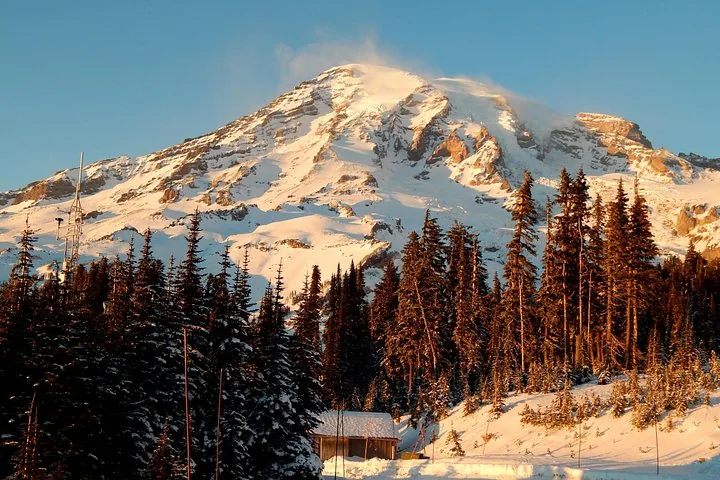
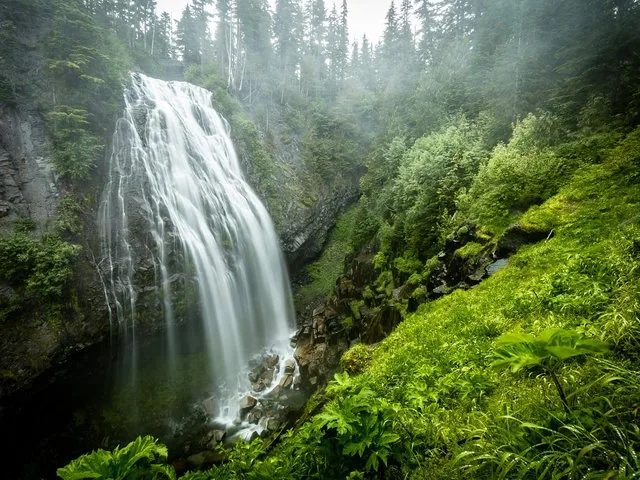
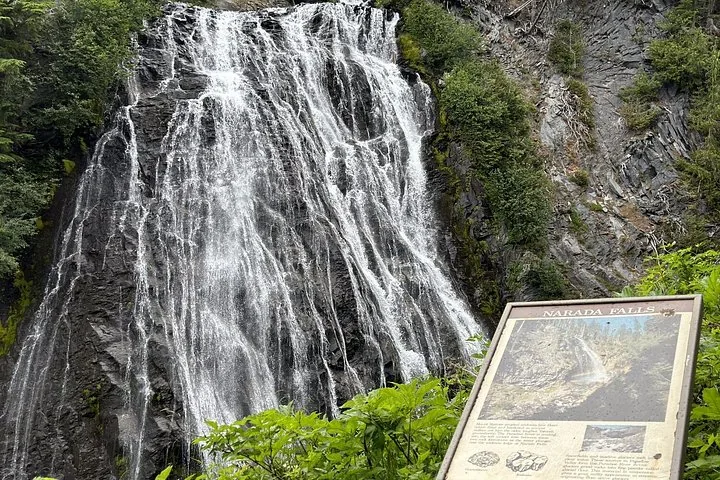
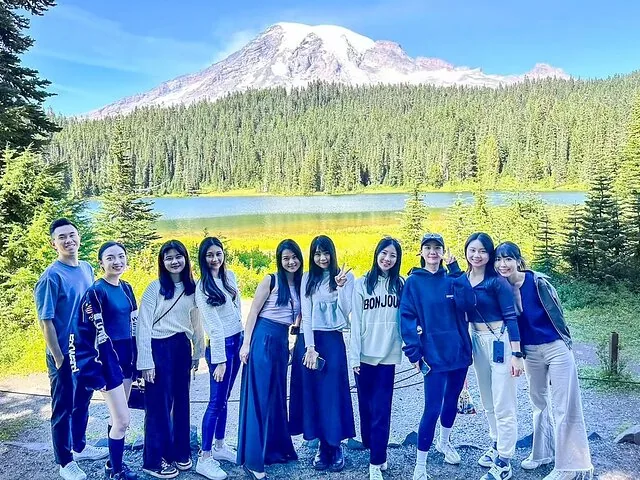
It includes the Henry M. Jackson Visitor Center. Tours here stop at Narada Falls and Reflection Lakes. You will also find historic buildings and expansive grassy meadows.
What is the Sunrise corridor?
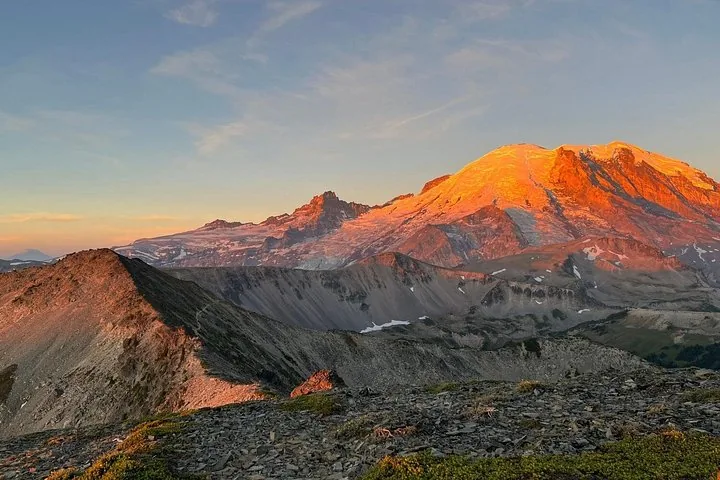
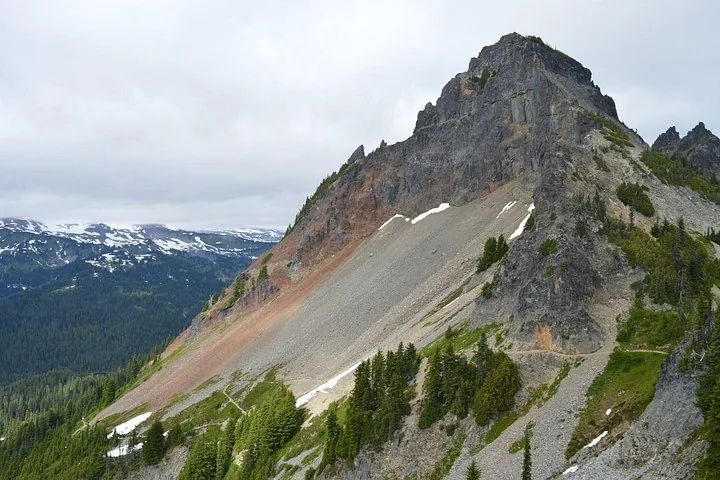
Sunrise is the highest vehicle-accessible point in the park at 6,400 feet.
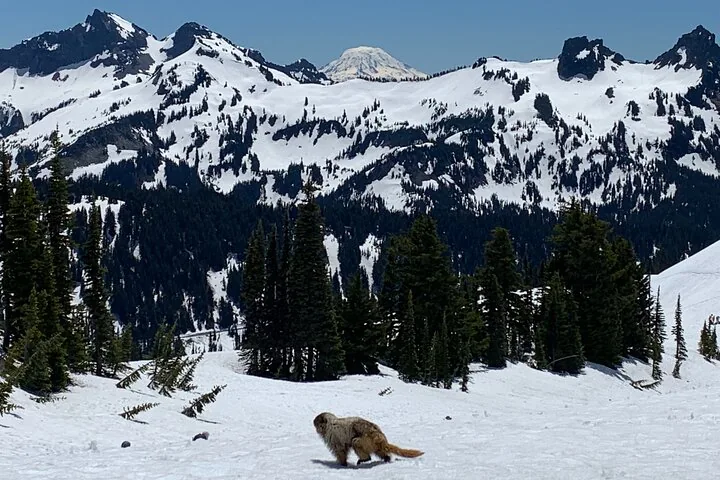
It is only open from early July through early September. You can see the Emmons Glacier from here. The landscape features rugged alpine tundra.
Which side is better in winter?
The southern section is the only option for winter tours.
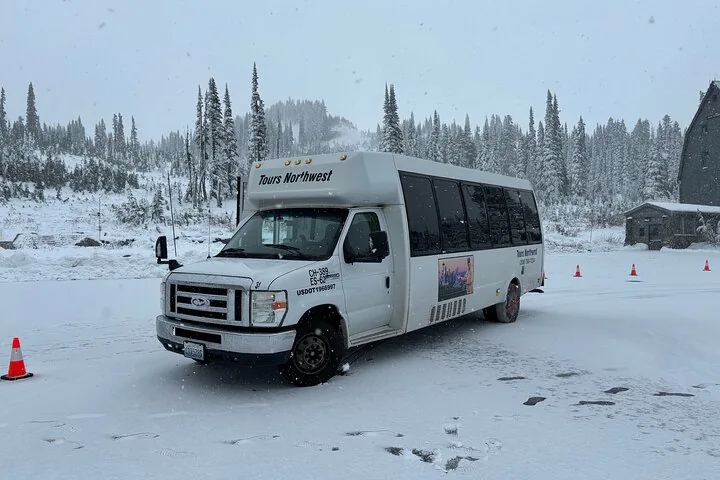
Heavy snow closes the road to Sunrise from autumn until summer. Winter tours to the south often include snowshoeing. The main visitor center remains accessible.
Where will I see better wildflowers?
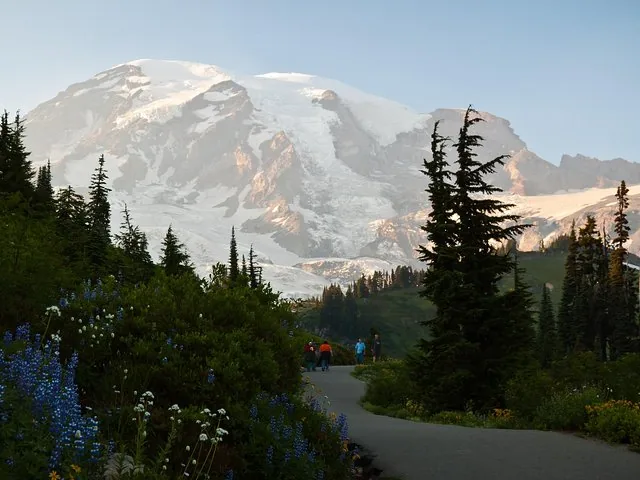
Both areas have wildflower meadows in July and August.
The southern section is famous for its broad, grassy slopes. Sunrise offers rocky, high-elevation alpine plants. Both provide excellent summer viewing opportunities.
Are there facilities at both locations?
Yes, both have visitor centers with restrooms.
The Henry M. Jackson center operates year-round. The Sunrise center only opens during the short summer season. Both offer places to fill your water bottle.
How do tour prices compare?
Tours to either area cost between $150 and $335 from Seattle.
Prices depend on group size, not the park area. Small-group van tours typically cost more than large buses. All tours usually include the $30 park entry fee.
Questions travellers ask
Do tours visit both areas in one day?
Most 10-to-12-hour day tours focus on just one area. This allows time for 1 to 2 hours of easy hiking.
Do I need a timed entry pass for 2026?
No. The National Park Service announced timed entry is not required for 2026.
How long is the drive from Seattle?
The drive takes about 2 to 2.5 hours to reach the park entrances. Seattle is roughly 90 miles away.